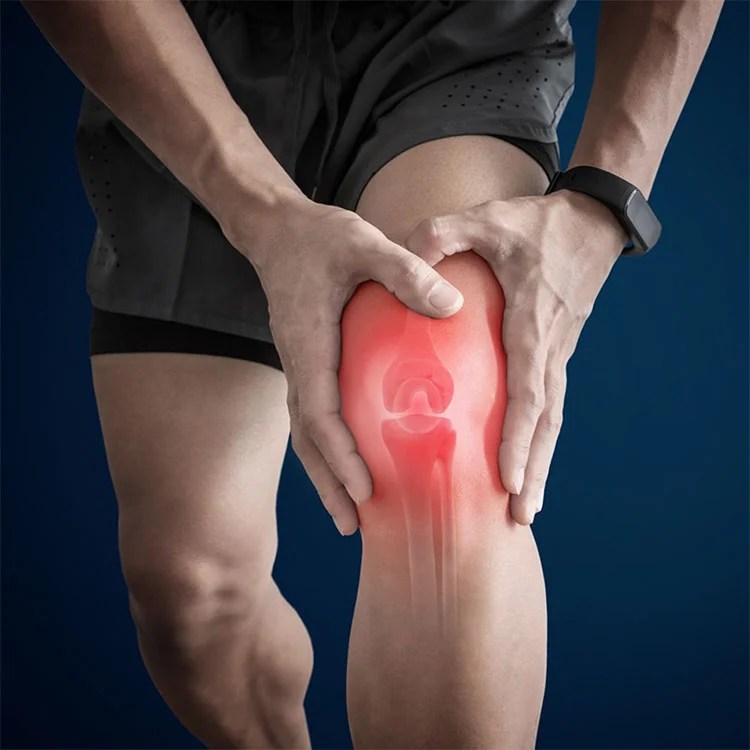
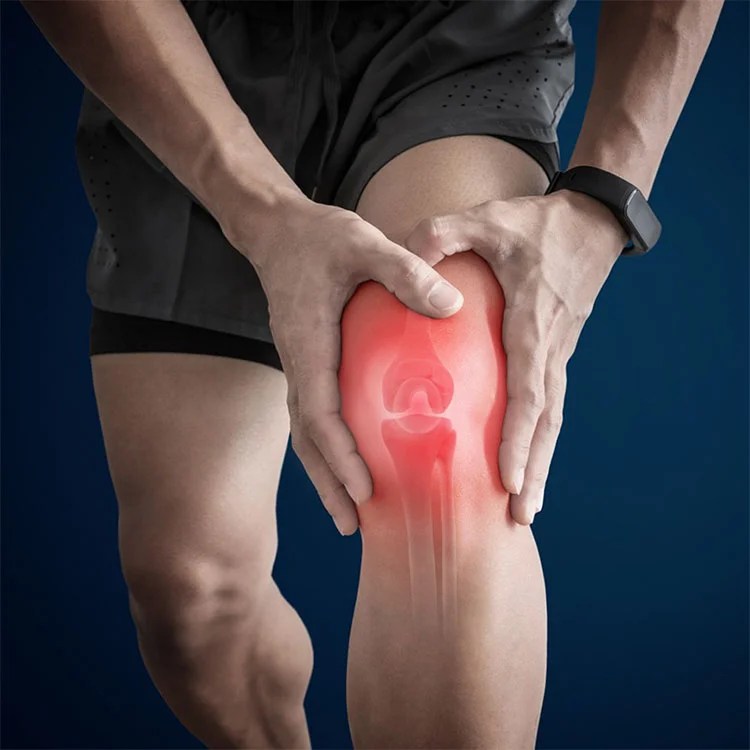
Let’s break down joint stability in simpler terms. Think of it as how well your joints stay in the right place when you move or when something pushes against them.
In everyday language, a stable joint moves the way it should and doesn’t move in ways that might hurt you.
Components of joint stability
Three main things help keep your joints stable:
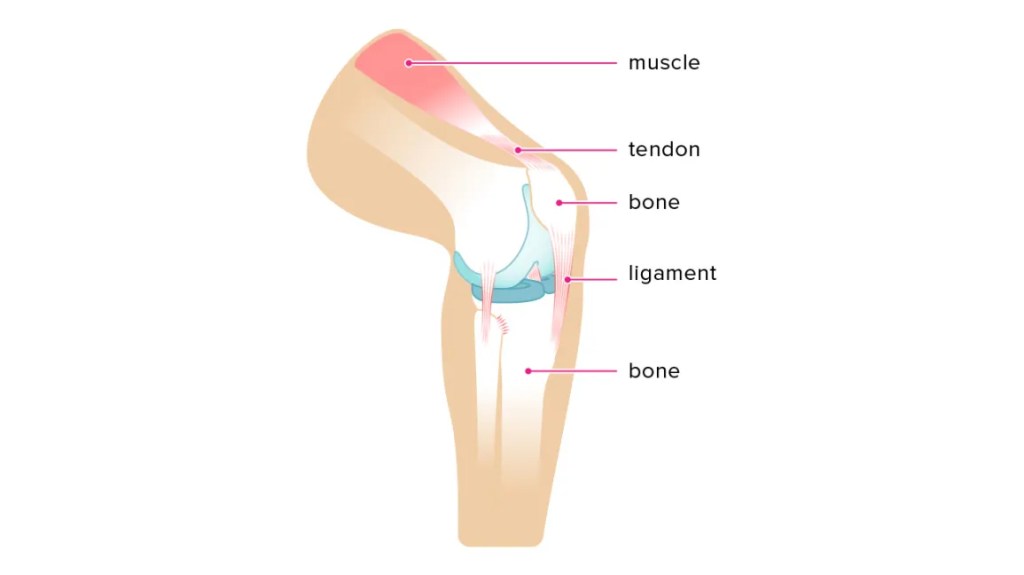
- The joint’s structure (passive stability) – This is like the foundation of a house. It includes the shape of your bones, the ligaments that connect them, the joint’s outer covering, and the smooth cartilage that helps bones glide easily.
- Muscle support (dynamic stability) – Think of this as the scaffolding around a building. Your muscles work together to hold your joint in place when you move, adapting to different activities and movements.
- Your brain’s control system (sensorimotor control) – This is like having sensors that tell your brain where your joint is and how it’s moving. Your brain uses this information to quickly adjust your muscles to keep the joint stable.

Joint problems can happen when any of these systems isn’t working well. For example:
- If the structure isn’t right (like having a kneecap that sits in a shallow groove), your joint might slip out of place easily.
- If your muscles are weak or overworked (like tired shoulder muscles), they can’t support your joint properly.
- If your brain can’t accurately sense where your joint is, it won’t know how to stabilize it correctly.
solutions
The good news is that you can improve joint stability! Sometimes damaged ligaments need surgery, but often you can help your joints by:

- Building stronger muscles around the joint
- Learning better movement patterns
- Improving your body awareness
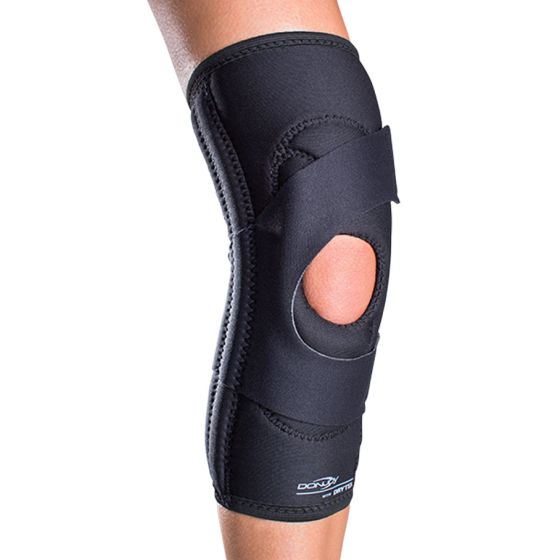
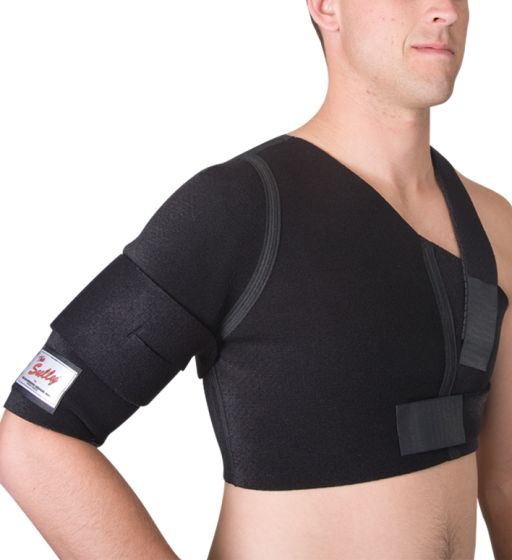
In some circumstances it may also be useful to use a support around the joint, like a brace or taping. (The braces pictured here are from DonJoy, which we stock in our clinic. There are lots of outstanding braces available, however.) If you can, it’s always worth planning on weaning yourself off using such supports. Where possible it is better if your body can do the work unaided. Again, this is where the right exercises can help.
Let’s look at a real-world example of joint instability that you might encounter.
shoulder impingement
Imagine you’re experiencing shoulder pain. This could be due to something called shoulder impingement – where the tendon of a muscle called the supraspinatus in your shoulder gets pinched between bones when you raise your arm. If you have this condition, you might feel pain at the front of your shoulder, especially when lifting things, reaching overhead, or lying on that side in bed.
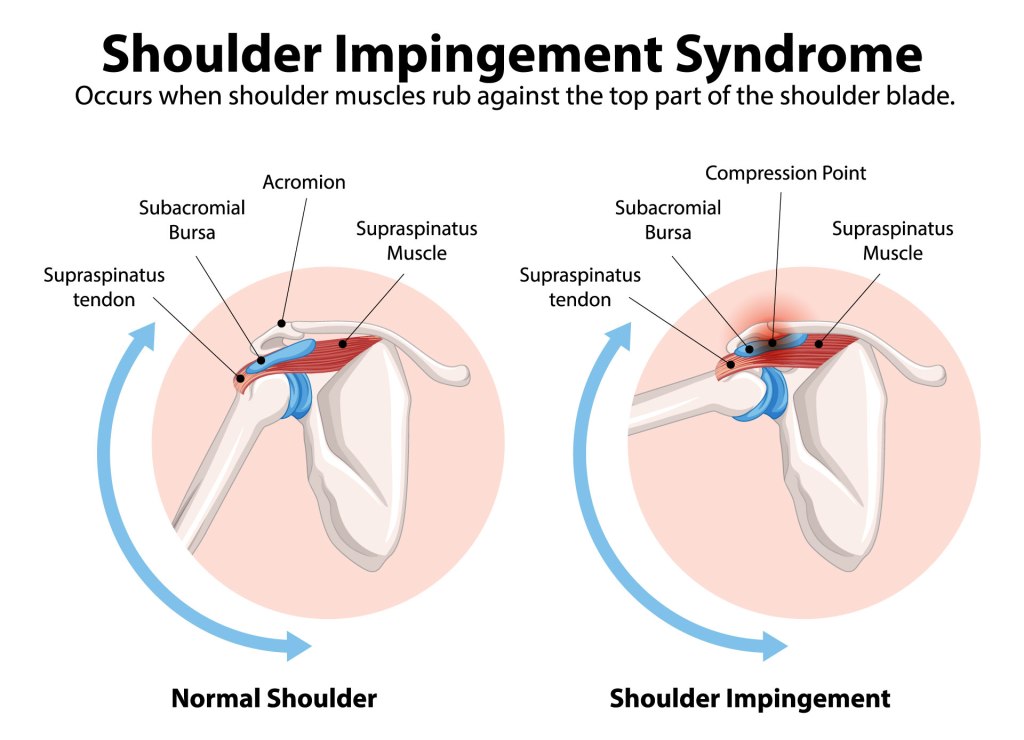
Why does this happen? Often it’s because the muscles that form your rotator cuff (a group of muscles that surround your shoulder) aren’t doing their job properly. When healthy and strong, these muscles help keep the ball of your shoulder centered in its socket. They actually pull the ball slightly downward. Without this important stabilizing action, the ball can ride up in the socket and pinch that tendon.
It’s like a chain reaction. Maybe you start with poor shoulder movement patterns, causing your rotator cuff muscles to work overtime trying to keep things stable. Eventually, these overworked muscles get tired or injured and can’t do their job properly. The ball then shifts upward in the socket, pinching the tendon and causing that painful impingement.
The solution isn’t just to treat the pain and inflammation. You need to address the root causes by strengthening your rotator cuff muscles and improving how your shoulder moves overall. This might involve fixing muscle imbalances, addressing weakness in certain muscles, and releasing tight areas that restrict normal movement.
recurrent patellar dislocation
Here’s another example you might find easier to understand.
Have you ever heard of someone’s kneecap “popping out”? This is called patellar dislocation. For some people, this happens repeatedly during normal activities like walking or playing sports. Why? Often it’s because of the way their knee is built.
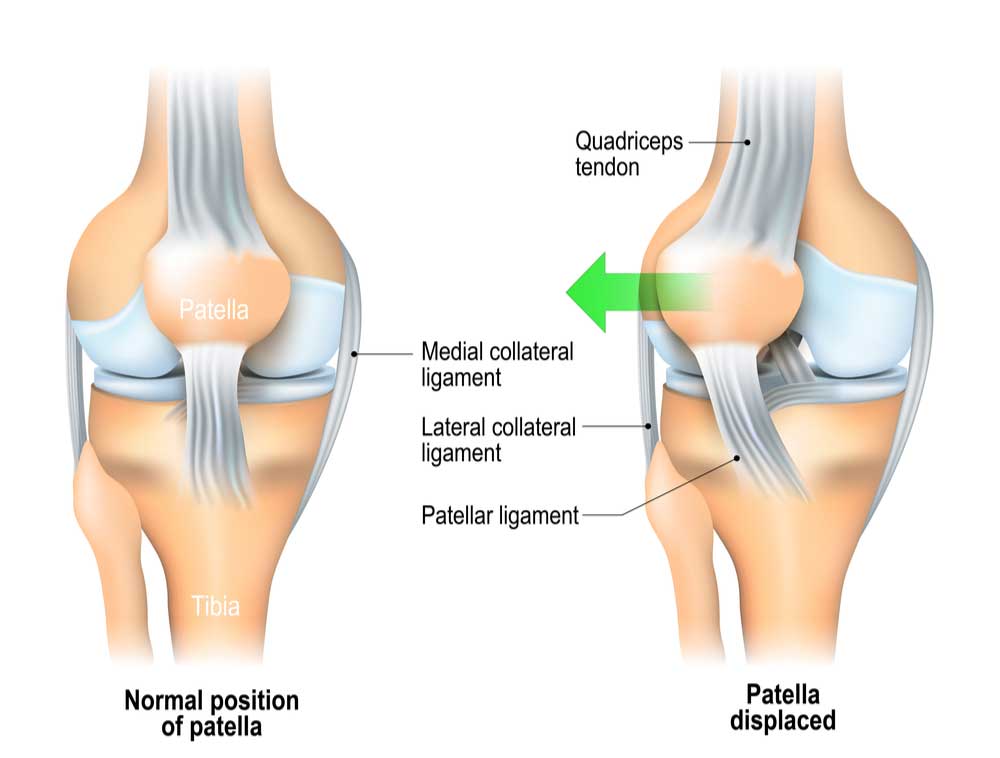
Think of your kneecap like a small boat that slides up and down in a groove on your thigh bone. For some people, this groove is too shallow – imagine trying to keep a boat in a very flat channel during choppy waters. When the groove isn’t deep enough, the “boat” (kneecap) can easily slide out of place.
This is a perfect example of joint instability caused by the actual structure of the joint itself. Sometimes doctors recommend surgery to deepen the groove or adjust how the kneecap sits.
But here’s the interesting part – even though the problem starts with bone structure, a big part of treatment still focuses on strengthening the muscles around the knee. These muscles act like additional support ropes for the kneecap, helping to keep it on track. Exercises that improve body awareness are also important, as they help you better sense where your knee is positioned during movement.
wrap up
Almost any kind of exercise helps with joint stability. For the best results, focus on exercises that build strength, body awareness, and stability. Health professionals like chiropractors, physiotherapists, or exercise physiologists can guide you with specific exercises for your needs.
Get in touch if you have questions, or book an appointment to see me at Enhance Healthcare in Canberra.
 Sam bettison